Everyone is talking about artificial intelligence. Fewer people are talking about the thing making it possible, which is a quiet, massive rebuild of the world’s concrete, copper, and power lines. And the money moving into that rebuild is staggering.
In 2025, private infrastructure funds raised a record 250.70 billion dollars, more than 150 percent above what they raised the year before. Investors are not just testing the waters here, they are writing bigger checks too, with the average investment mandate growing from 99 million dollars in 2023 to 128 million dollars in 2025. And when private equity firms around the world were asked where they see the best growth ahead, 88 percent pointed to digital infrastructure, an asset class that barely existed in its current form ten years ago.
Here is the part that surprises people. The thing limiting how fast AI can grow isn’t talent or computer chips, it’s power. Data centers, factories, entire regional grids, they’re all being judged on one simple question now: how fast can this thing get reliable electricity. A site that already has power secured, whether through an existing grid connection, a gas plant, or a signed power agreement, is worth far more than a site waiting on new construction, because new construction can take years nobody has time for.
You can see this playing out in the prices buyers are willing to pay. Power equipment, cooling systems, automation, advanced components, all of it is trading at fifteen to thirty percent above what these assets normally go for, and the biggest premiums are reserved for anything tied to AI computing or data centers.
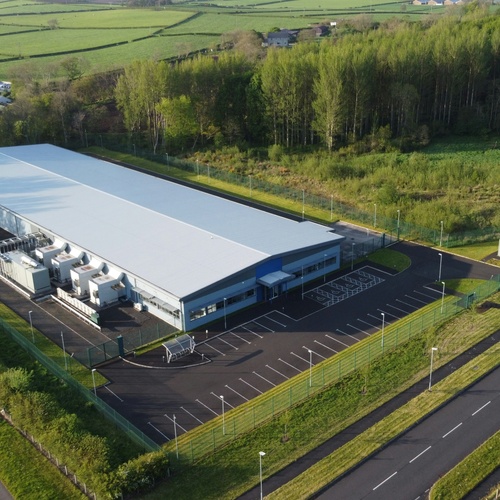
Five years ago, a data center was basically a warehouse with servers in it, the kind of thing real estate investors handled quietly. Not anymore. In 2025, 113 data center deals closed around the world, worth more than 69 billion dollars, about 8 billion dollars higher than the previous record. Most of that money, 84 percent, came from private equity. Some of these deals are enormous on their own, including a 40 billion dollar sale of a major US data center platform and a 24 billion dollar deal for a top Asian operator.
What’s reassuring is that people aren’t just throwing money around. Lenders are asking for firmly committed financing before anyone breaks ground, and investors are sticking with tenants who have solid, easy to verify credit. That discipline is what should give this boom real staying power instead of turning into a bubble.
The Americas still pull in the largest share of global capital. Europe, the Middle East, and Africa are catching up fast, with infrastructure investment values expected to nearly double in 2026. And in Asia Pacific, growth is being pushed along by more people, faster adoption of AI, rules requiring data to stay within national borders, and a simple need to put computing power closer to the people using it. No matter where you look, the same thing decides who gets the investment: reliable, secured power.
What stands out about this cycle is how grounded it is. The capital flowing into infrastructure today is not chasing untested ideas, it is backing physical assets with secured power, long-term contracts, and clear paths to returns. That combination of scale and discipline is rare, and it is why infrastructure has moved from a defensive allocation to one of the most closely watched opportunities in global investment. The projects being built now, quietly and deliberately, will shape what the rest of the economy is able to run on for years to come.