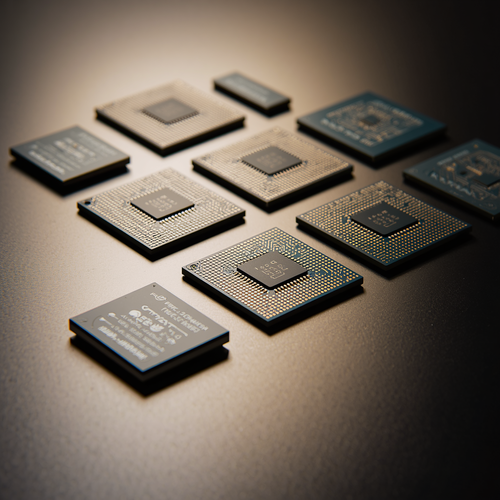
For years, the logic in semiconductor M&A was pretty simple. Find the company with the best chip, buy it, and you’d basically bought the future. That thinking is starting to age fast, and what’s replacing it says a lot about where value is really moving right now, not just in semiconductors, but across dealmaking in general.
Here’s the thing the AI boom has made obvious. A chip is only as fast as everything built around it. Advanced packaging, power management, optical connectivity, timing components, testing, none of that used to feel exciting. Now it’s the stuff actually holding computing power back. And wherever there’s a real constraint, dealmakers show up.
You can already see it in the deals getting done. In May 2026, Analog Devices agreed to pay $1.5 billion for Empower Semiconductor, and that’s a bet on power management, not processing muscle. Back in February 2026, SiTime struck its $1.5 billion deal for Renesas’ timing business, a bet on precision. And in May 2026, Applied Materials moved to buy ASMPT’s NEXX business, really a bet on packaging, on physically fitting more compute into a single AI chip. None of these read like classic chip deals. They’re all bottleneck deals, and all within a few months of each other.
And this pattern isn’t just a semiconductor story. Across a lot of capital-heavy industries right now, from energy to industrial equipment to logistics, the businesses getting the most attention aren’t always the biggest names. They’re the specialised, unglamorous ones sitting at a choke point in someone else’s growth plan. You don’t have to be flashy to become essential. You just have to own something hard to copy and impossible to build around quickly.
That changes how buyers and sellers should be sizing things up. For strategics and private equity, the opportunity set in semiconductors has quietly gotten bigger. Specialised technology, sticky customers, recurring revenue, a defensible spot in a critical supply chain, all of that now looks worth paying up for, especially when building it in-house would take years nobody has patience for. It fits a broader mood in M&A right now, where buyers increasingly pay for time saved and risk avoided, not just for scale.
For sellers, this might matter even more. A company that always saw itself as a niche supplier, a few steps removed from the big chipmakers, could be sitting on a strategic premium it never knew it had. Being essential, it turns out, can carry more weight than being visible.
The numbers back this up. Global semiconductor manufacturing equipment sales are forecast to hit $165.9 billion in 2026, up 23.2% year on year, with memory, testing and packaging leading the gains. That’s not a modest bump. It’s a market resetting around where the real bottlenecks actually sit.
So the question shaping semiconductor M&A today isn’t really “who builds the best chip” anymore. It’s “who controls the bottleneck.” For buyers, that can mean pricing power and a stronger seat at the table as AI infrastructure spending keeps climbing. For sellers, it can mean a very different conversation about what the business is actually worth.
In a market moving this fast, the best opportunities are rarely front and center. They’re usually standing just behind it.